The Journal

The History of Ras Al Khaimah


Ras Al Khaimah possesses a long and distinguished history shaped by its strategic location, rich natural resources and resilient communities.


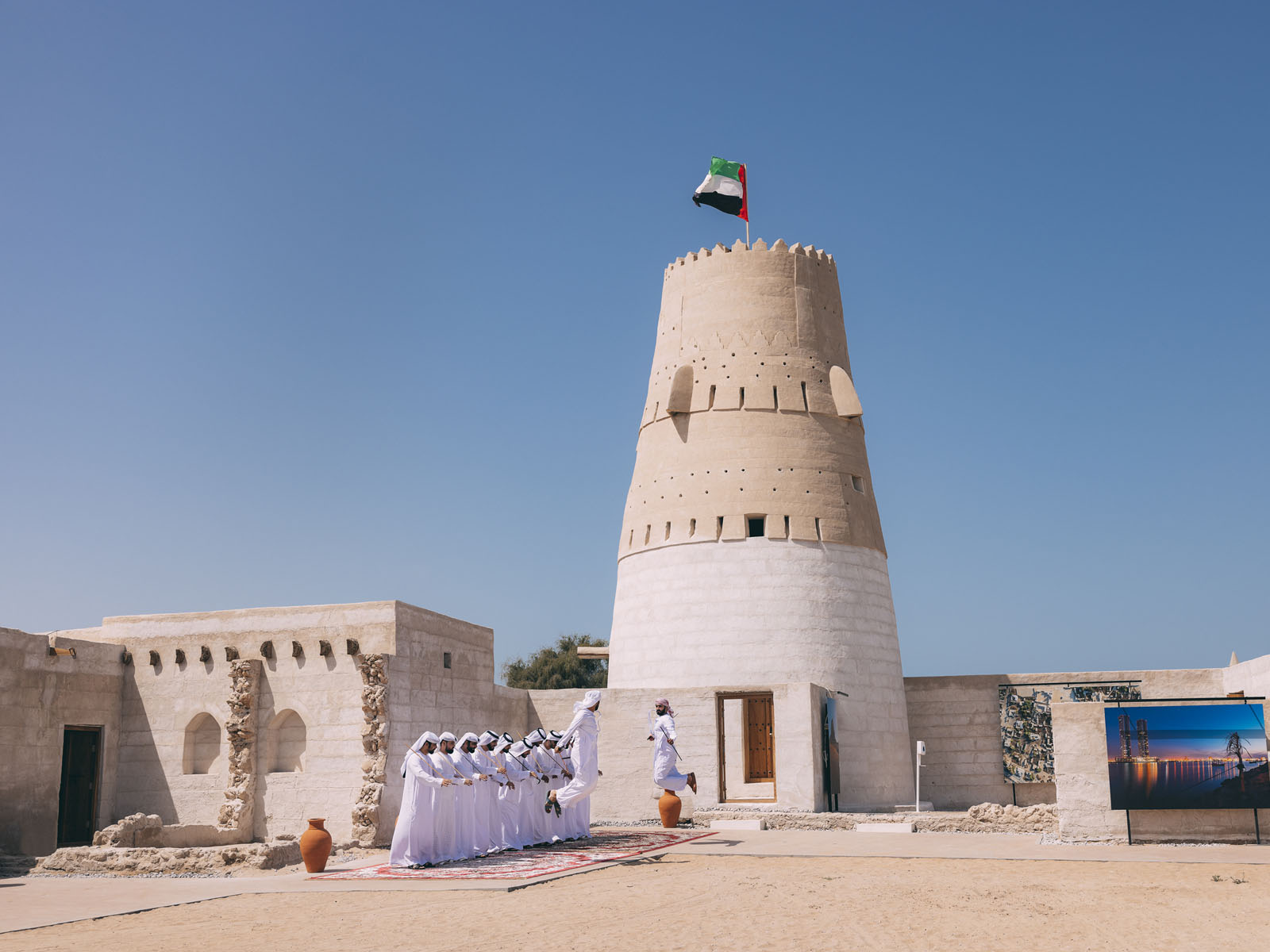
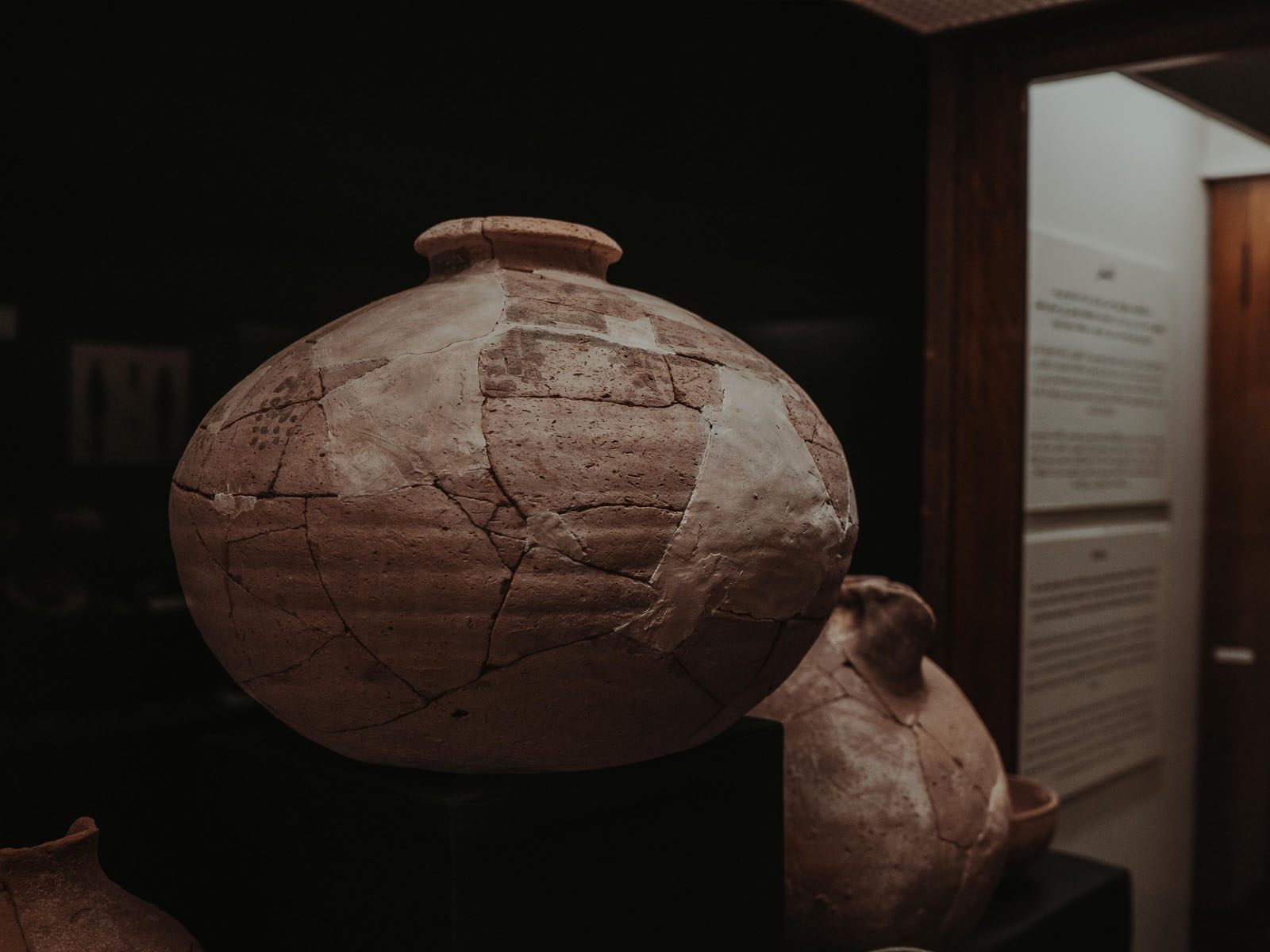
Archaeological findings reveal that human settlement in the region dates back more than 7000 years, with artifacts from the Neolithic era underscoring its status as one of the oldest continuously inhabited areas in the Arabian Peninsula. Sites such as Shimal and the ancient city of Julfar offer compelling evidence of vibrant trading networks, advanced craftsmanship and early urban organisation.


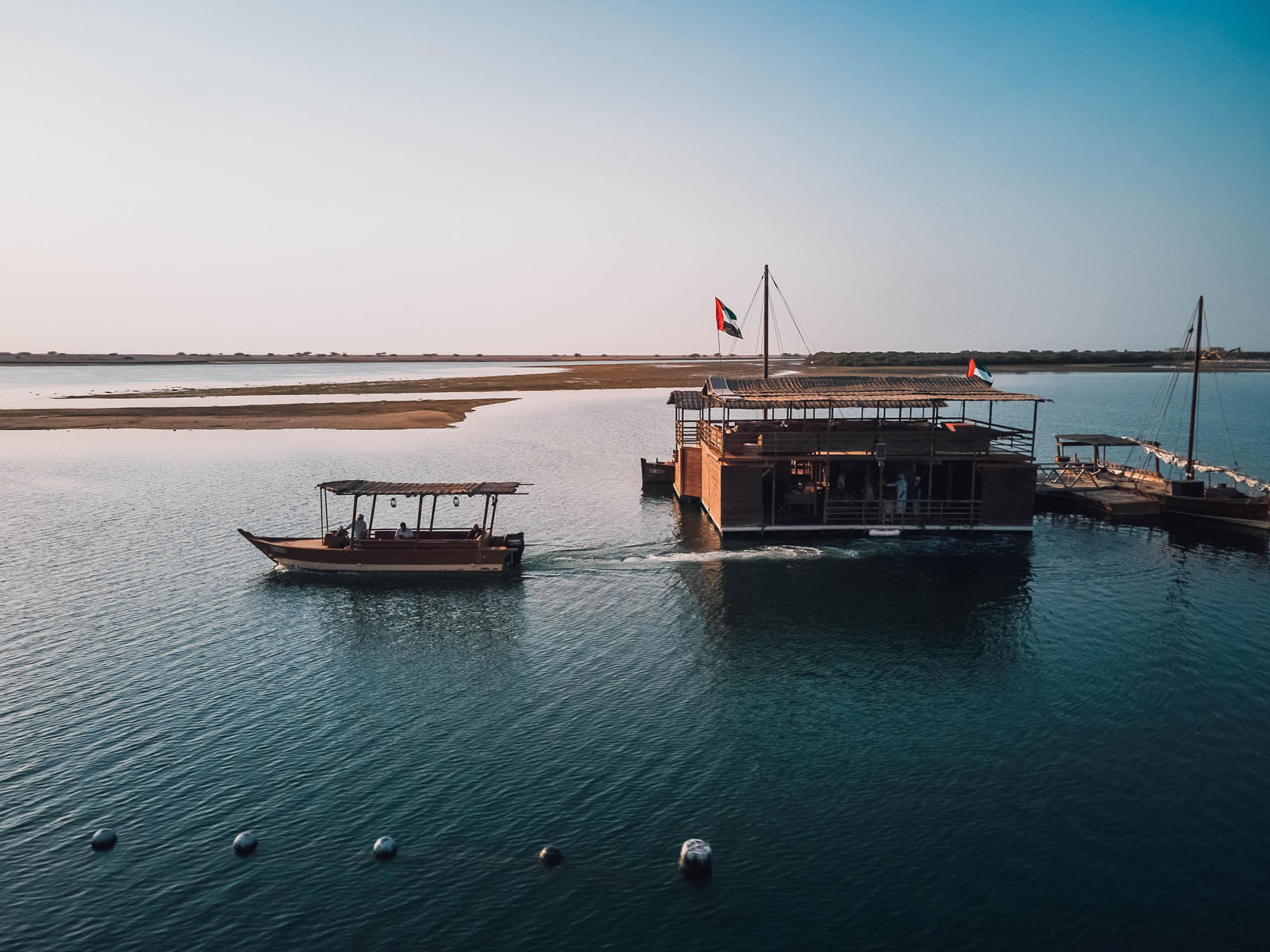
For millennia, Ras Al Khaimah’s coastline has served as a bustling maritime gateway. Its natural harbours positioned it as a vital link between Mesopotamia, Persia and India. By the medieval period, Julfar had become one of the Gulf’s most influential ports, renowned for its flourishing pearling industry and its central role in regional commerce. Traders from Africa, India, and the Arabian interior passed through its busy harbours, creating a dynamic environment of cultural exchange and economic vitality. Julfar itself was preceded by Kush, a settlement believed to have been established during the Sasanian Era and inhabited until Julfar’s rise in the 13th century CE.


Among Ras Al Khaimah’s most celebrated historical figures is the famed navigator Ahmad ibn Majid, the “Lion of the Sea.” His writings provide early reference to the town of Ras Al Khaimah, which had by his time eclipsed Julfar as the principal port on the Shimal coast. During the 17th and 18th centuries, Ras Al Khaimah continued its ascent, with the Al Qasimi tribe establishing powerful maritime holdings across both Arabian and Persian shores.


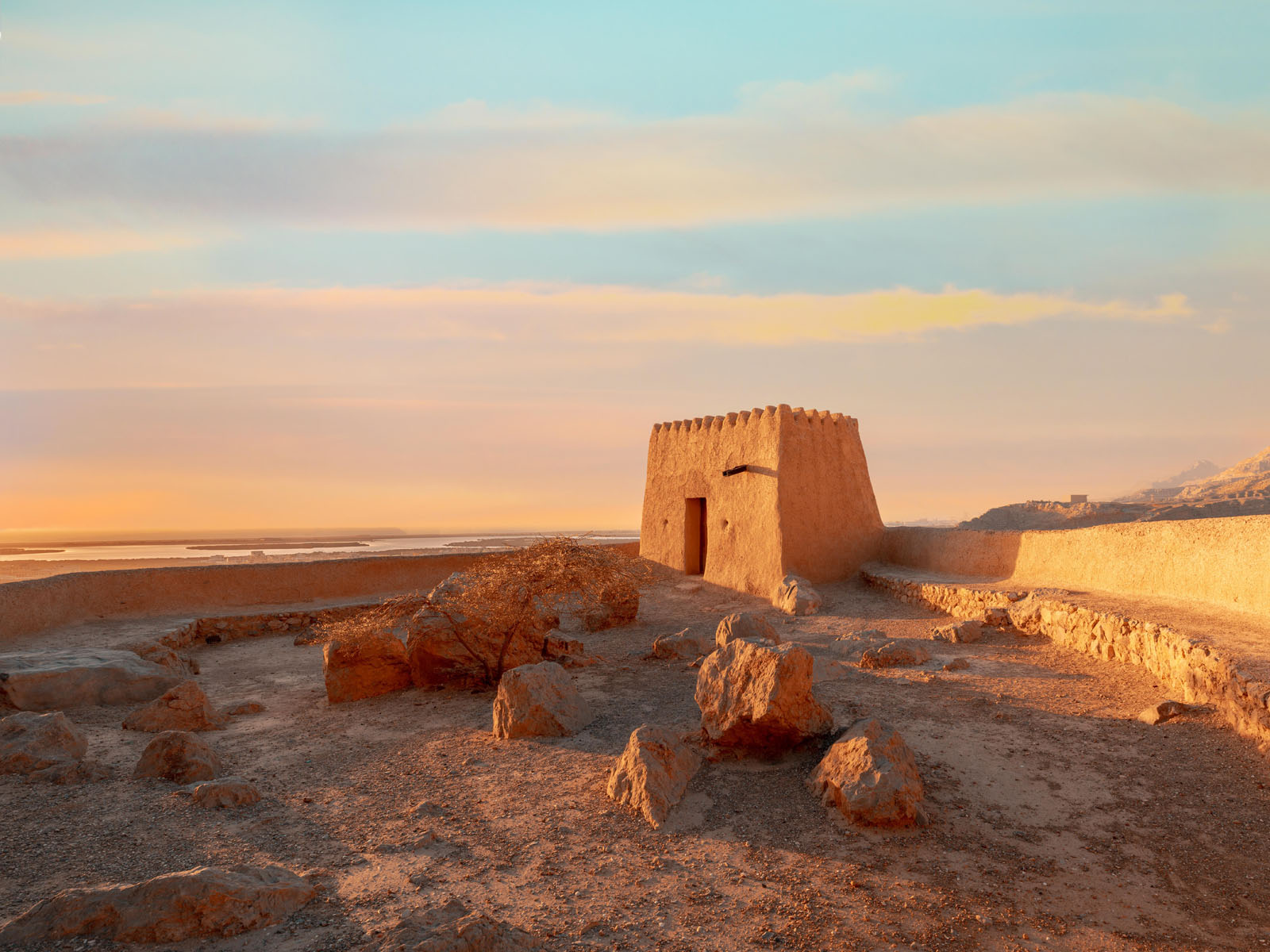
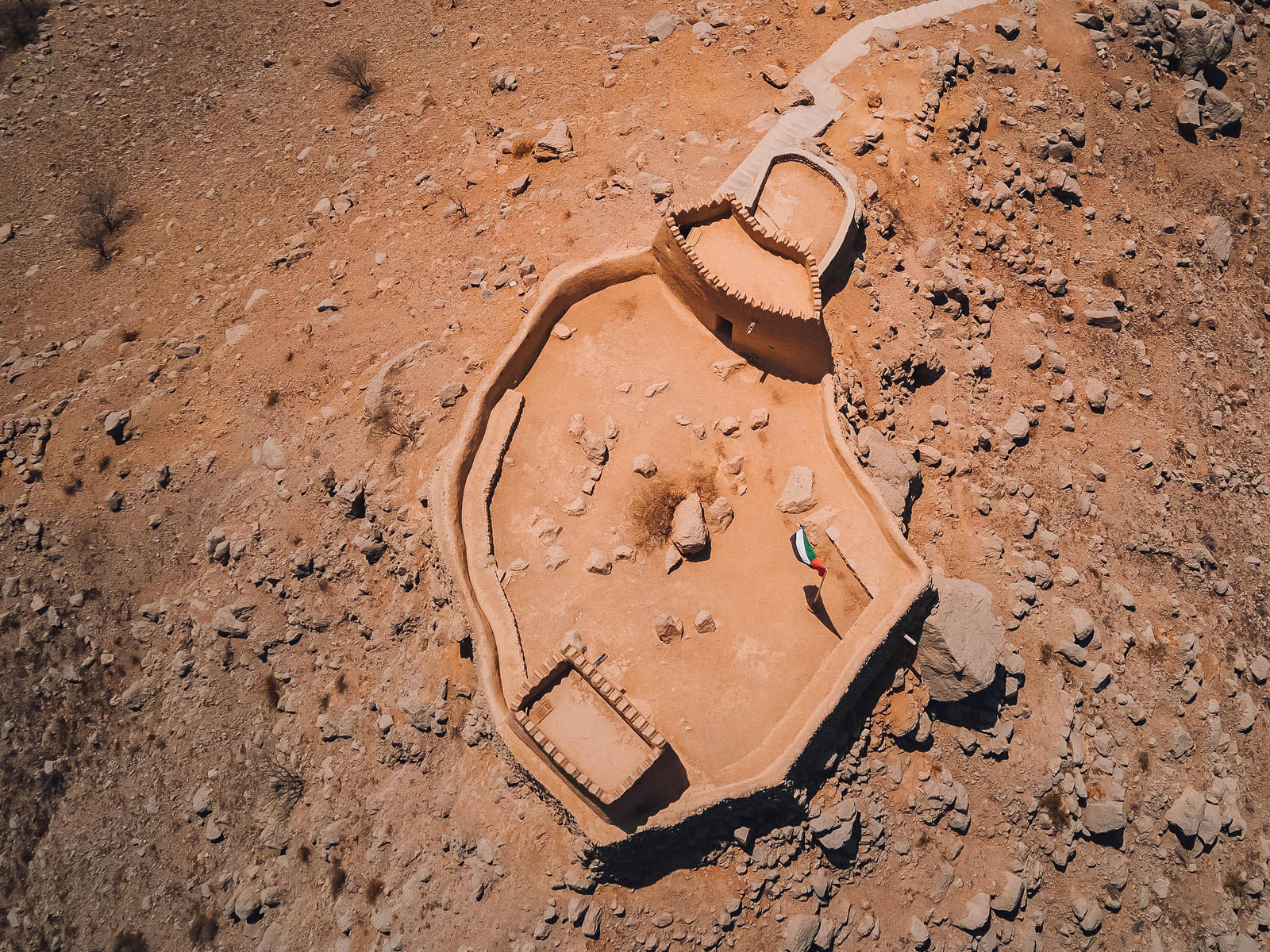
This era of expansion, however, brought tensions with external powers, culminating in confrontations with British forces, most famously at Al Dhayah Fort, now one of the emirate’s most iconic tourist attractions. This led to Ras Al Khaimah’s status as a member of the Trucial States; a status that would last over a century until the emirate joined the U.A.E. in 1972.


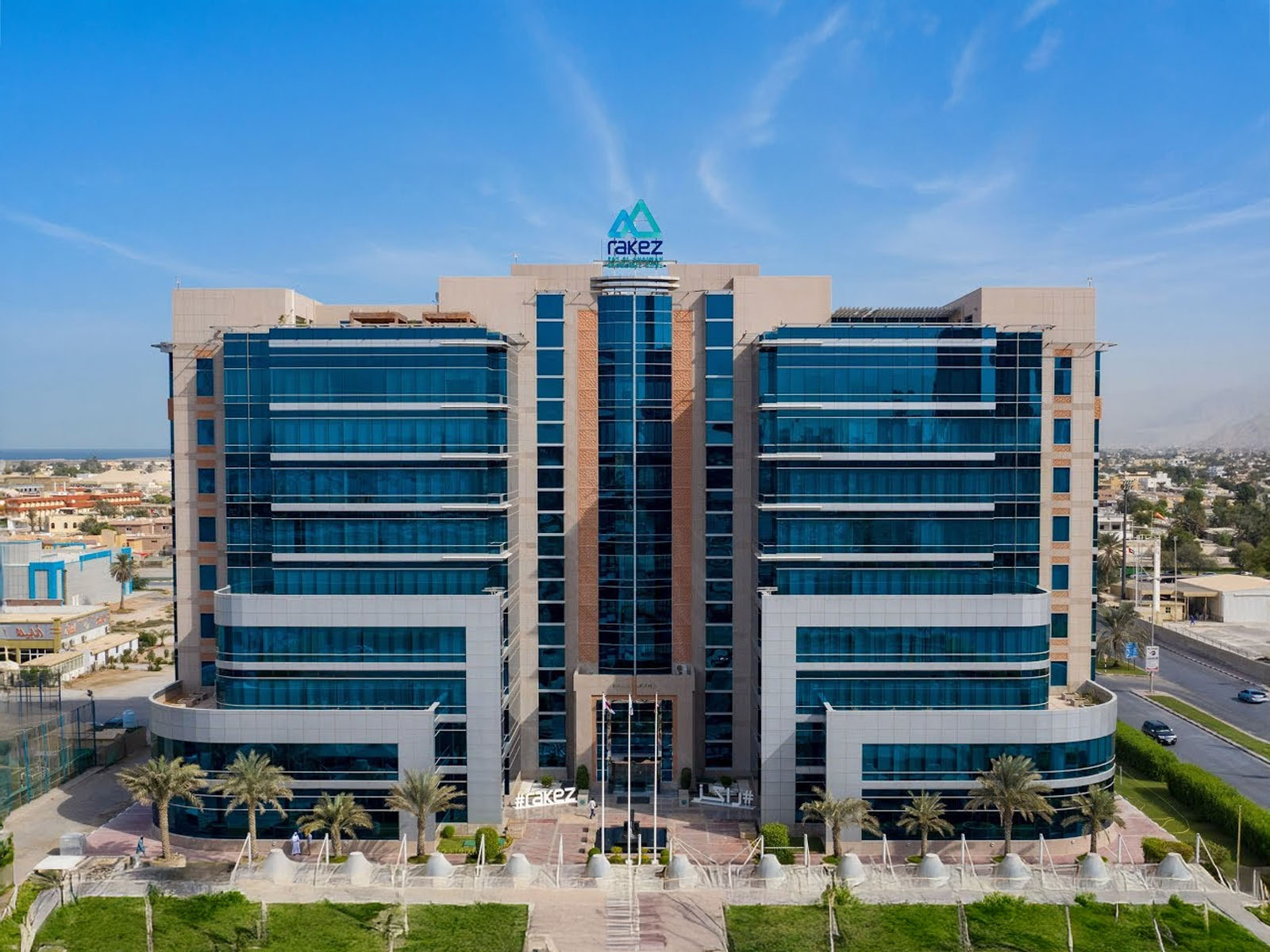
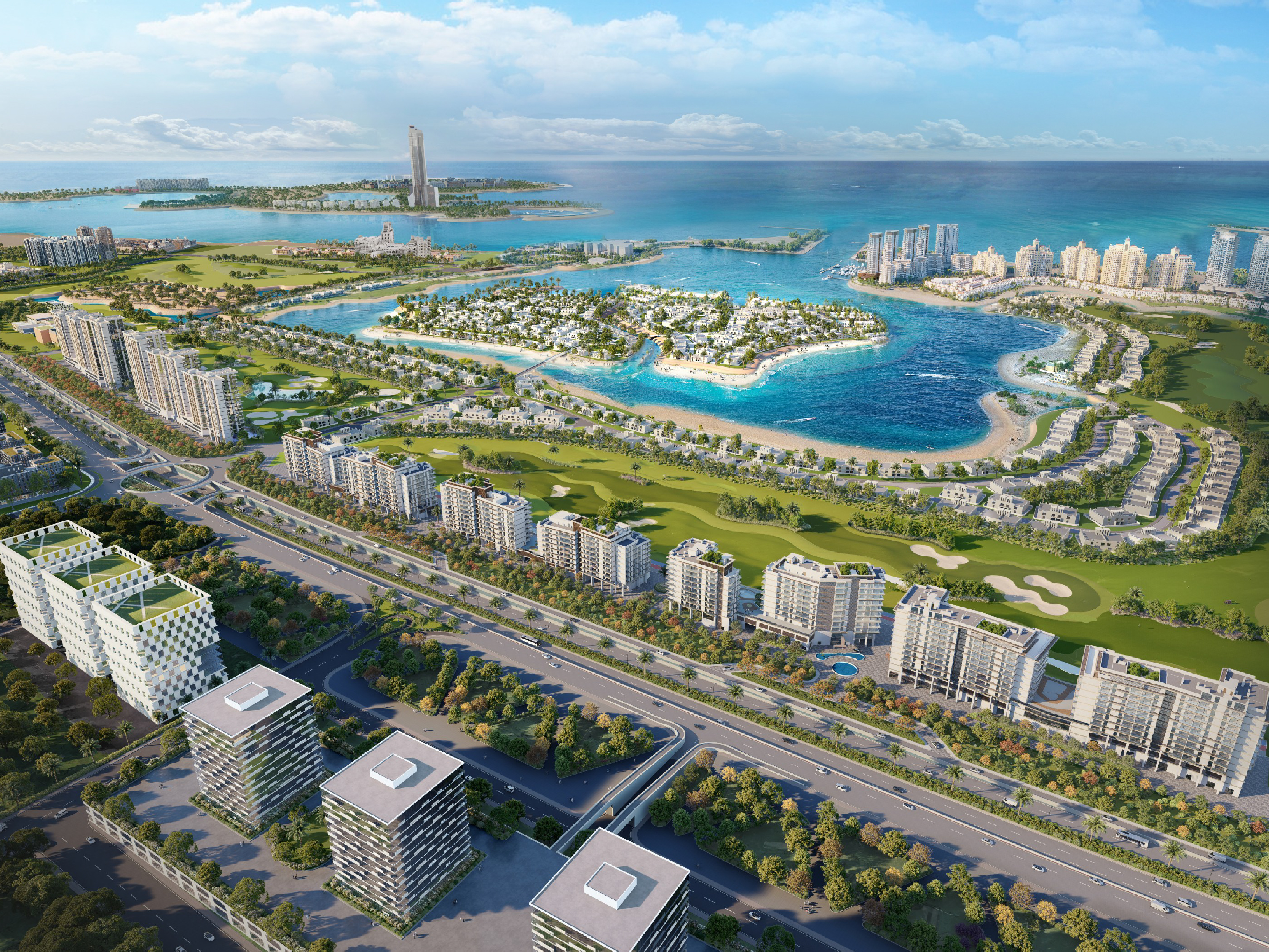
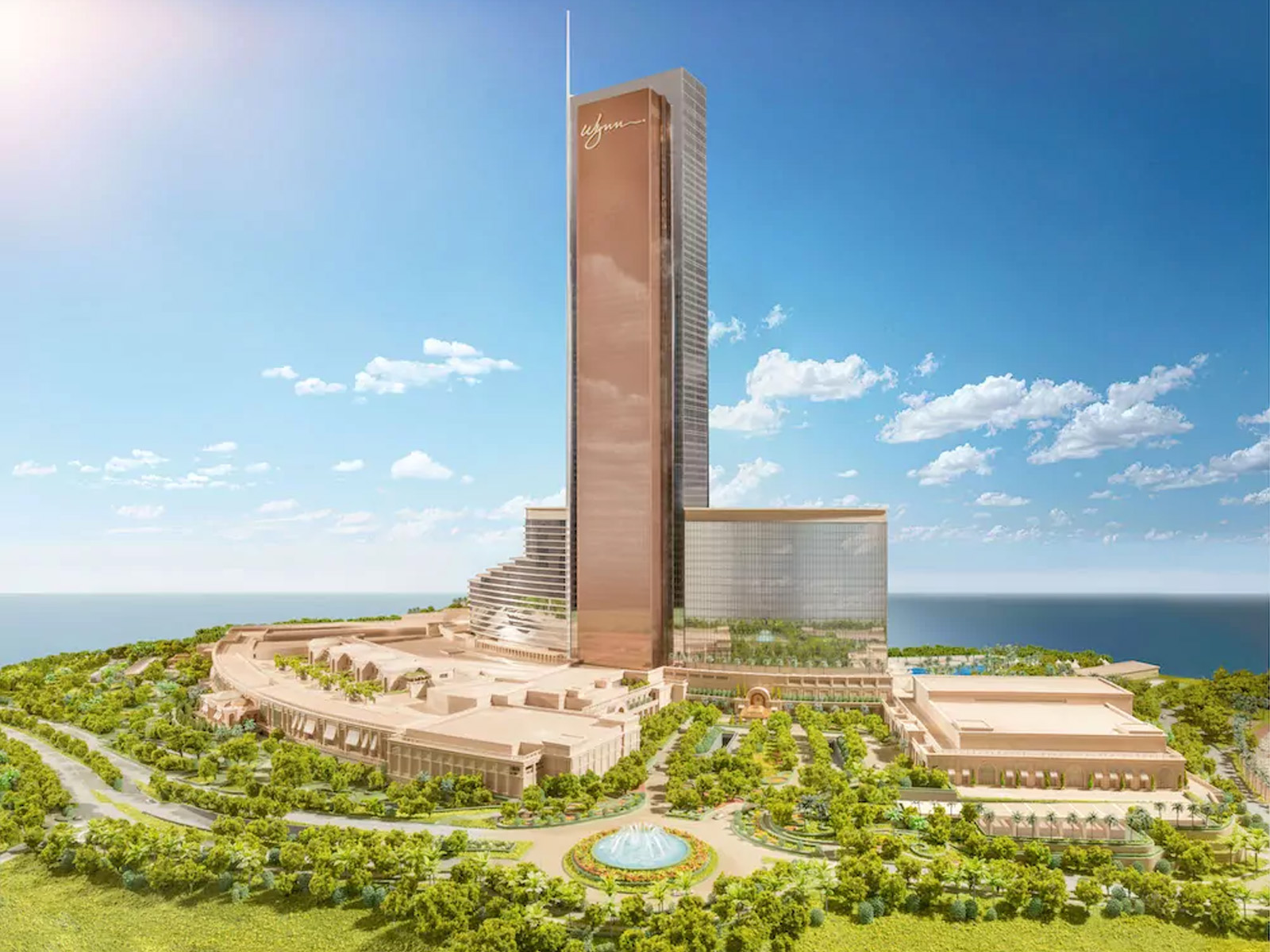
In the modern era, Ras Al Khaimah has transformed under the leadership of the Al Qasimi family. Today, it balances heritage with progress, fostering diversified industries, adventure tourism and world-class developments such as the highly anticipated Wynn Al Marjan.


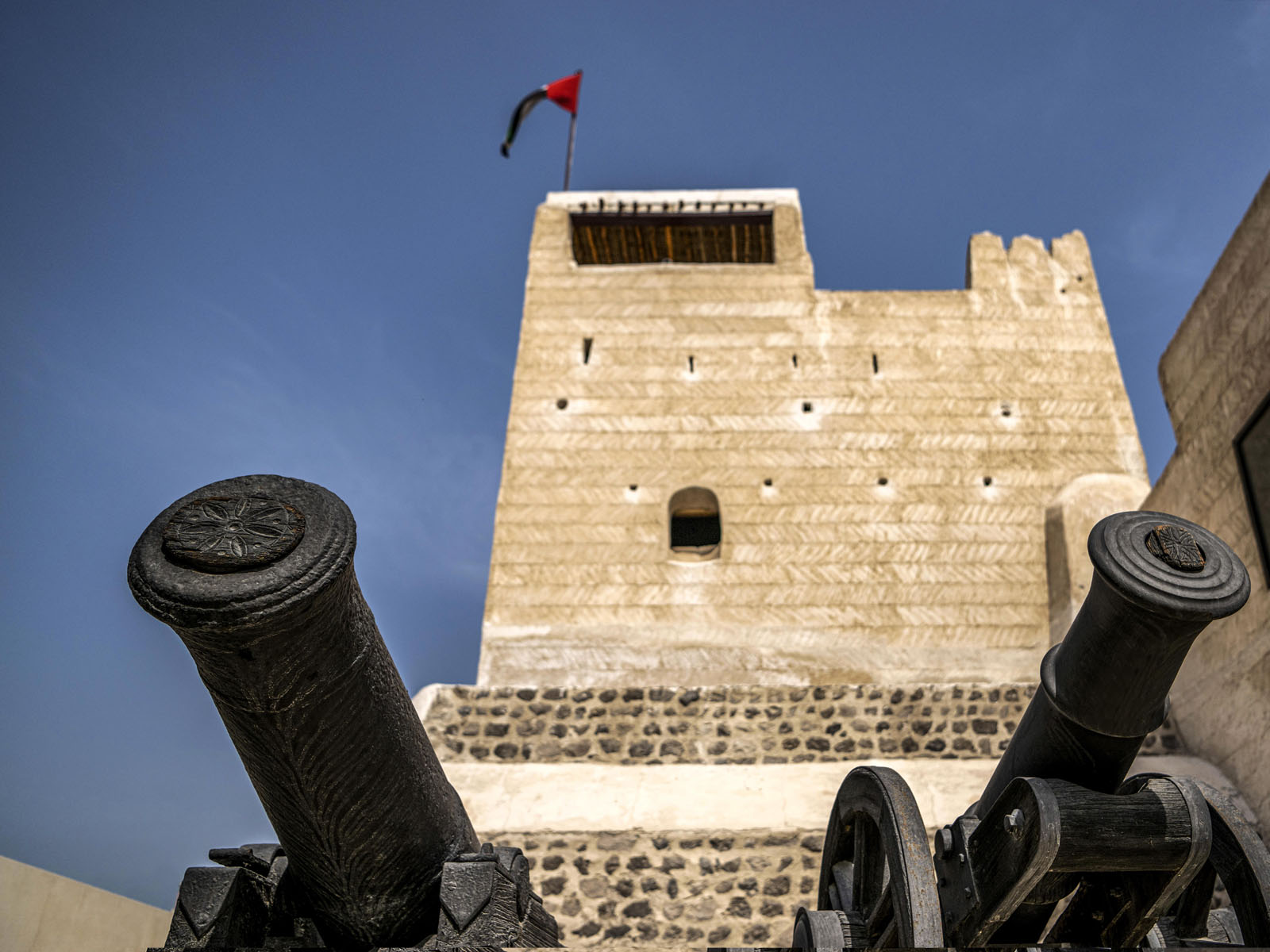
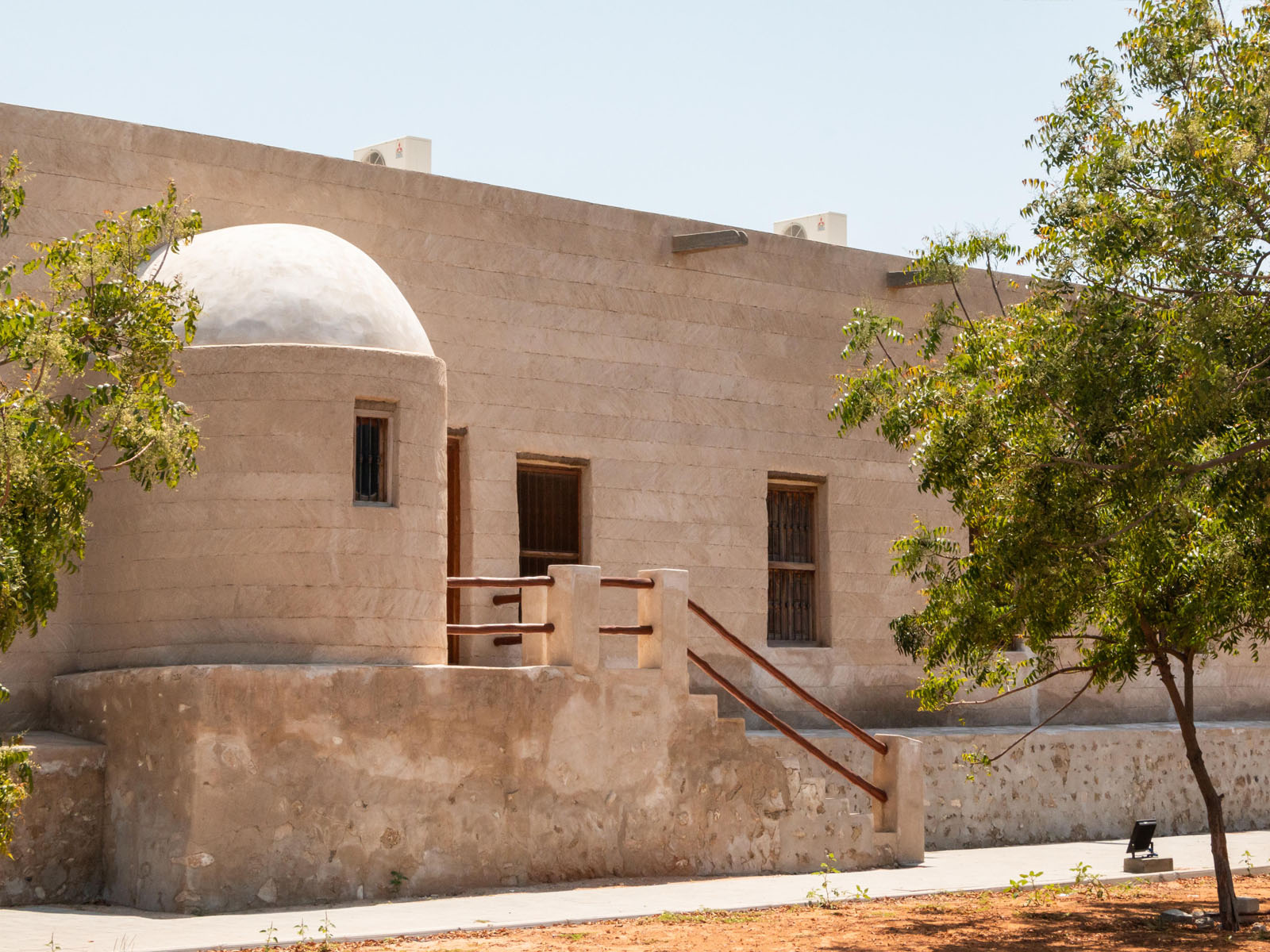
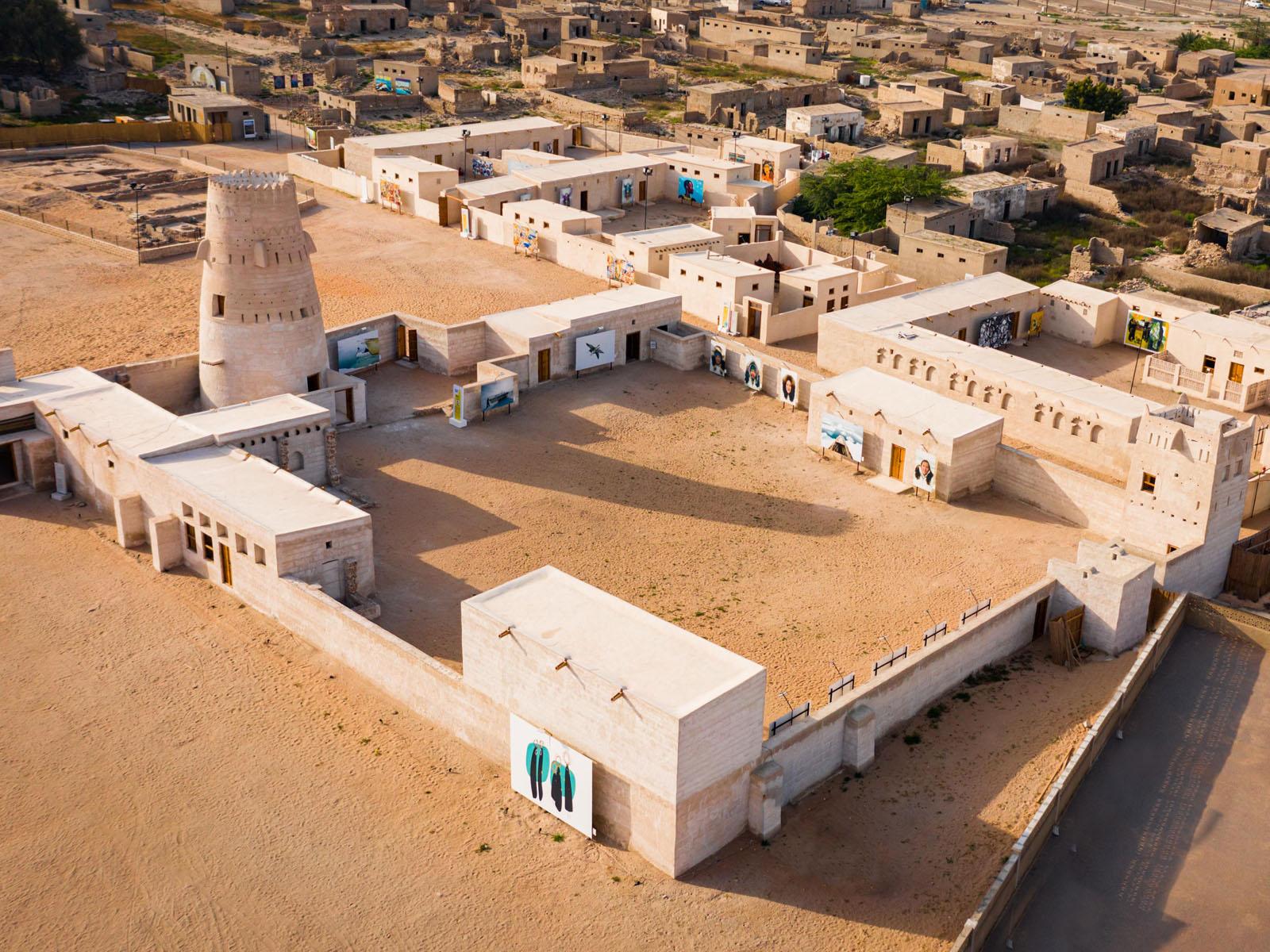
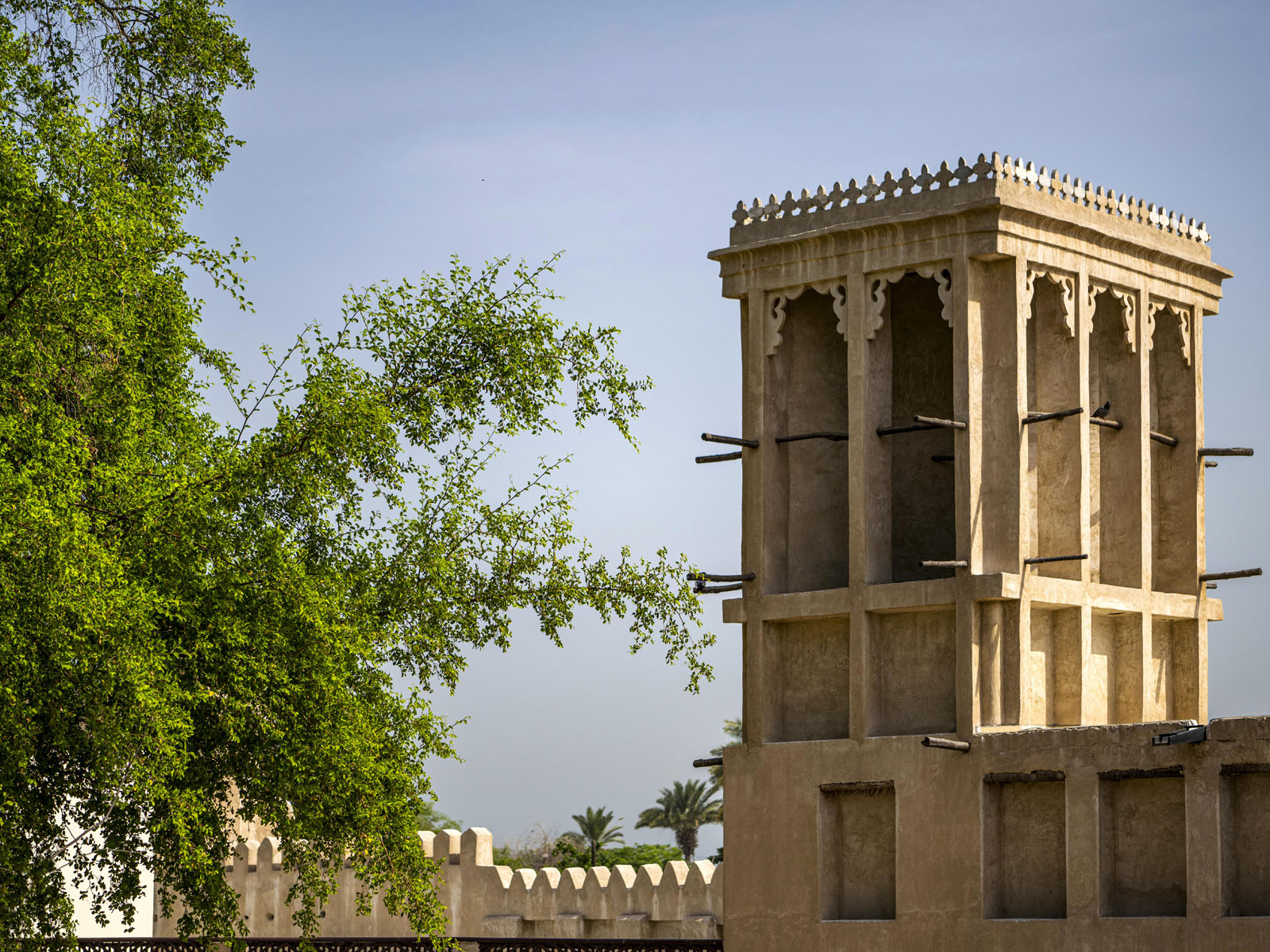
The National Museum of Ras Al Khaimah, housed in an 18th-century fort, stands as a proud guardian of this storied past. Half an hour away, the atmospheric and abandoned fishing village of Al Jazirah Al Hamra adds its own layers of history and folklore — it is even rumoured to be haunted.


Ras Al Khaimah remains a place where ancient culture and modern ambition meet. It is a testament to the endurance, adaptability and vision of its people.

Trending News In Journal

Monthly Newsletter

Stay in the know on what’s trending, insider information and tips from our experts.

By sharing your email, you agree to our Terms of Use and Privacy.

Back
Gym League Codes